


About this story
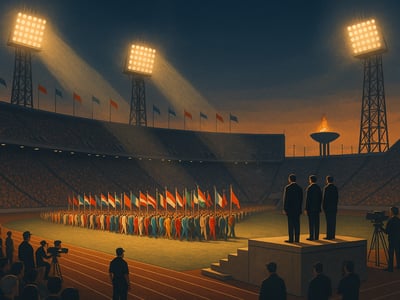
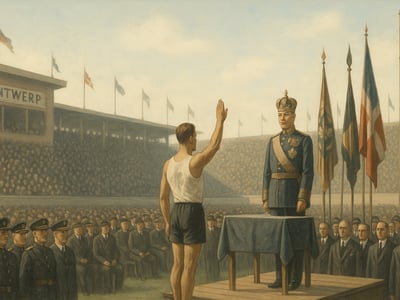
Opening of the first modern Olympic Games in Athens, 1896.
On April 6, 1896, the first modern Olympic Games were inaugurated in Athens, Greece. This historic event marked the revival of the ancient Olympic Games after more than 1,500 years. Inspired by the ideals of the ancient Greeks, the Games were brought back to life thanks to the efforts of Pierre de Coubertin, a French educator and historian who passionately advocated for their return as a global event.
The opening ceremony took place at the Panathenaic Stadium, a fitting venue as it symbolized the fusion of ancient traditions with modern aspirations. King George I of Greece officially opened the Games, setting the stage for a significant international gathering of athletes and spectators.
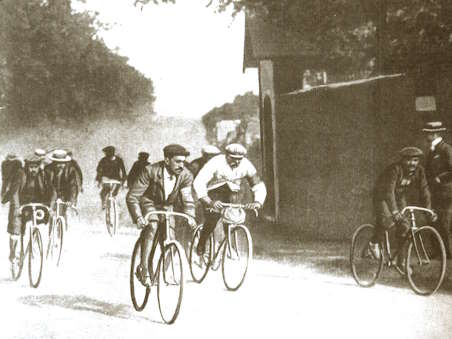
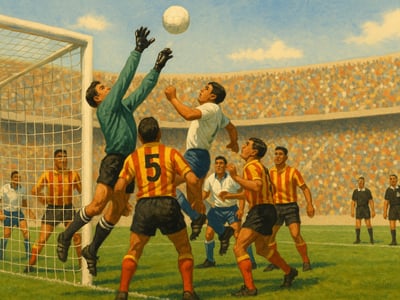
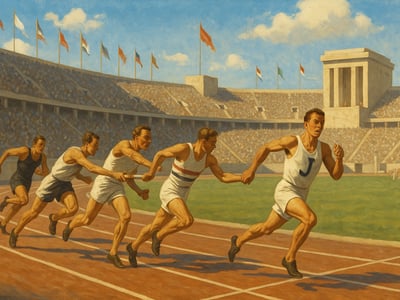
Participants from ten different nations arrived in Athens to compete in a variety of sports, including athletics, cycling, and gymnastics. This was a monumental logistical undertaking, considering the limited means of communication and transportation available at the time. The challenge was not just to gather athletes but also to entice them to participate in a venture that was, until then, largely untested on such a scale.
As the events unfolded, the Games proved to be a success, showcasing the athletic prowess and sporting spirit of individuals from different parts of the world. It was not merely an exhibition of physical skills but also an embodiment of international camaraderie and friendly competition.
Pierre de Coubertin's vision had taken root. From discussions and plans made at the Sorbonne in 1894, leading to the formation of the International Olympic Committee, the realization of the Games exemplified human perseverance and the power of shared dreams.
Why it still matters
The opening of the first modern Olympic Games in 1896 laid the foundation for what would become one of the most significant international movements in history. This gathering fostered global cooperation and unity through sports, showcasing the potential for nations to come together peacefully. It was the beginning of the Olympic movement, which continues to evolve and thrive, promoting values such as excellence, friendship, and respect.
The Games’ success demonstrated the enduring appeal of athletic competition and set a precedent for future international sporting events. They highlighted how sports can bridge cultural and political divides, contributing to understanding and exchange among nations. Today, the Olympic Games remain a platform for showcasing not only athletic talent but also cultural diversity and global solidarity.
Timeline
- Formation of the International Olympic Committee
- First Modern Olympic Games Opened
What you uncovered
Sport Beyond Borders
You didn't just… complete a puzzle about an opening ceremony; you traced the start of a new kind of international gathering built around shared rules, competition, and public symbolism.
The 1896 Games mattered not only because they revived an old tradition, but because they gave nations a structured way to meet in a public, peaceful arena. Sport became a language through which countries could present themselves, observe one another, and take part in a shared ritual without needing political agreement on everything else. That pattern helps explain why the Olympic movement grew into more than a calendar of competitions.
The first modern Olympic Games in Athens included participants from 10 nations.
FAQ
What marked the beginning of the modern Olympic Games?
The first modern Olympic Games opened on April 6, 1896, in Athens, Greece, marking the revival of the ancient Games.
Who were the key figures in the 1896 Olympic Games?
Pierre de Coubertin and King George I of Greece were key figures. Coubertin was instrumental in organizing the Games, and King George I officially opened them.
What sports were included in the 1896 Olympics?
The 1896 Olympics included sports such as athletics, cycling, and gymnastics.
How many nations participated in the first modern Olympics?
A total of 10 nations participated in the first modern Olympic Games.